
September 1, 2025
Spatial and 3D navigation, the generation of animations showing changes over time, and an AI tool are among the new features designed to make it easier for users to extract and analyze da
The MapBiomas platform has been updated and is now more interactive, user-friendly, and faster to use. For example, it allows navigation not only through filters but also spatially, enabling users to click directly on selected areas. During this navigation, the platform also automatically generates statistics and graphs.
Other new features include 3D visualization and the generation of time-series animations that users can download. Legend classes provide explanations and images to better understand what type of land cover or land use is being viewed.
In addition, the platform features the “Create Analysis” tool for performing customized analyses by cross-referencing information across territories or themes. There is also MapBiomas AI, which offers artificial intelligence support to streamline and facilitate navigation. Both tools are in beta version.
“This new version of the platform is more interactive. All components have been redesigned to be easier to use and more efficient, thereby helping users find the information they need more quickly,” says Sergio Oliveira of EcoStage, who leads the development team.
According to Oliveira, one factor that made this change possible was the ability to perform real-time calculations of maps and statistics using Google Earth Engine technology.
The development of the new version took about eight months and involved several partner institutions, such as GeoKarten and ArcPlan, to deliver new features and innovation. It was presented during the 10th Annual MapBiomas Seminar, held in Brasília in August, when the 10th Collection of annual land use and land cover maps was also released. 10º Seminário Anual do MapBiomas, realizado em Brasília, em agosto, quando também foi lançada a Coleção 10 de mapas anuais de uso e cobertura da terra.
According to Tasso Azevedo, general coordinator of MapBiomas, the platform needed this change due to the volume of accumulated data. “The platform had become too complex for its original architecture. We decided to dismantle it and build it from scratch. What we have here is the result of nearly a year of work, during which we brought together all of MapBiomas’ development teams to rebuild the platform.
Integration with other countries
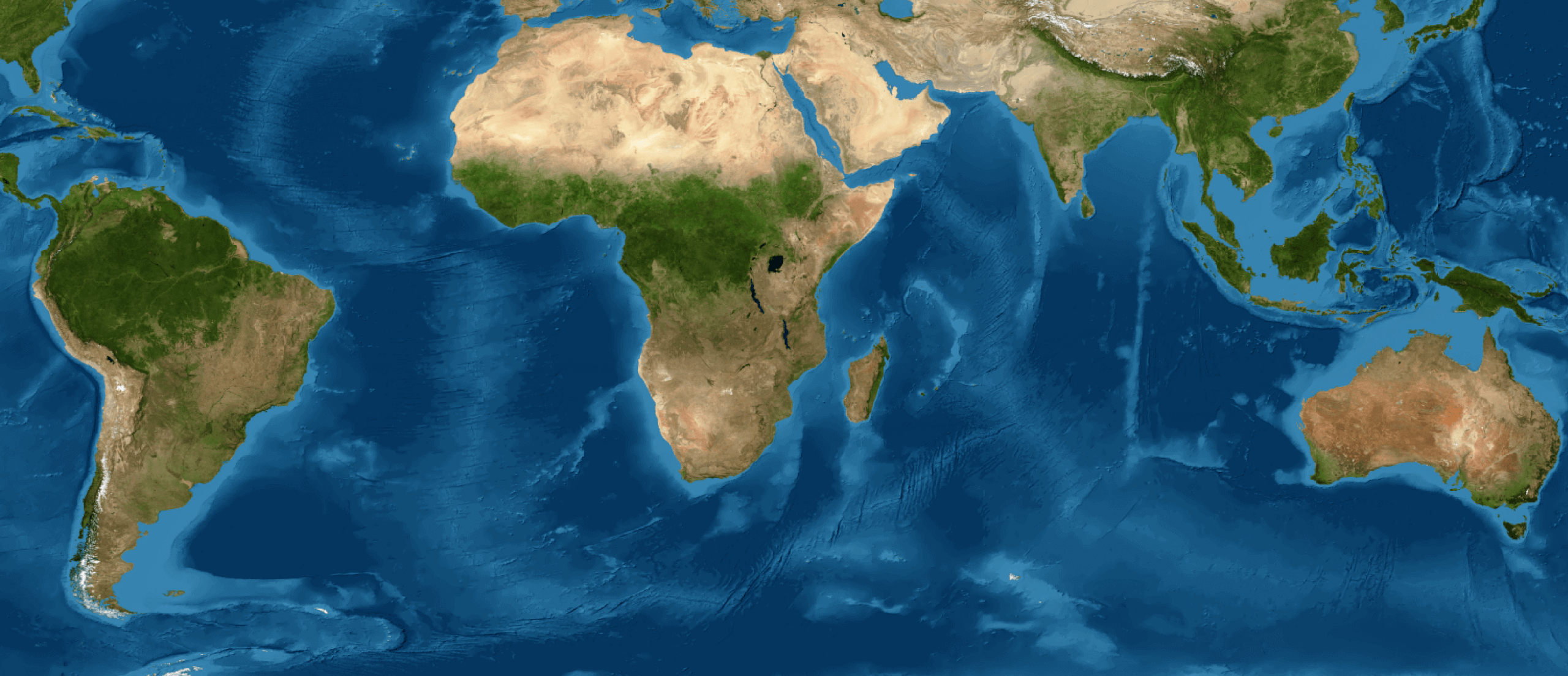
Another important new feature is that the platform will integrate data from all 14 countries that currently make up the MapBiomas network. Currently, data from Brazil and Indonesia is available. The next data sets to be made available are those from Peru, Bolivia, and the Atlantic Forest. “From now on, each country will join the new platform upon the release of its new data, phasing out the old version,” explains Oliveira.
“The ability to view all countries on a single platform also opens up new possibilities for interactions and analyses for the end user,” he emphasizes.